The main tool
There have been many tools of cognition in my life. And I wouldn't be myself if I hadn't become fascinated with Zen Buddhism, numerology, the Chinese "Book of Changes", Osho Zen Tarot, or if I hadn't spent twenty years finding answers about the meaning of life in Kabbalah.
Each of these paths left something of its own in me.
Zen taught me to listen to silence.
"Book of Changes" - accepting changes.
Kabbalah is asking questions about the meaning of life.
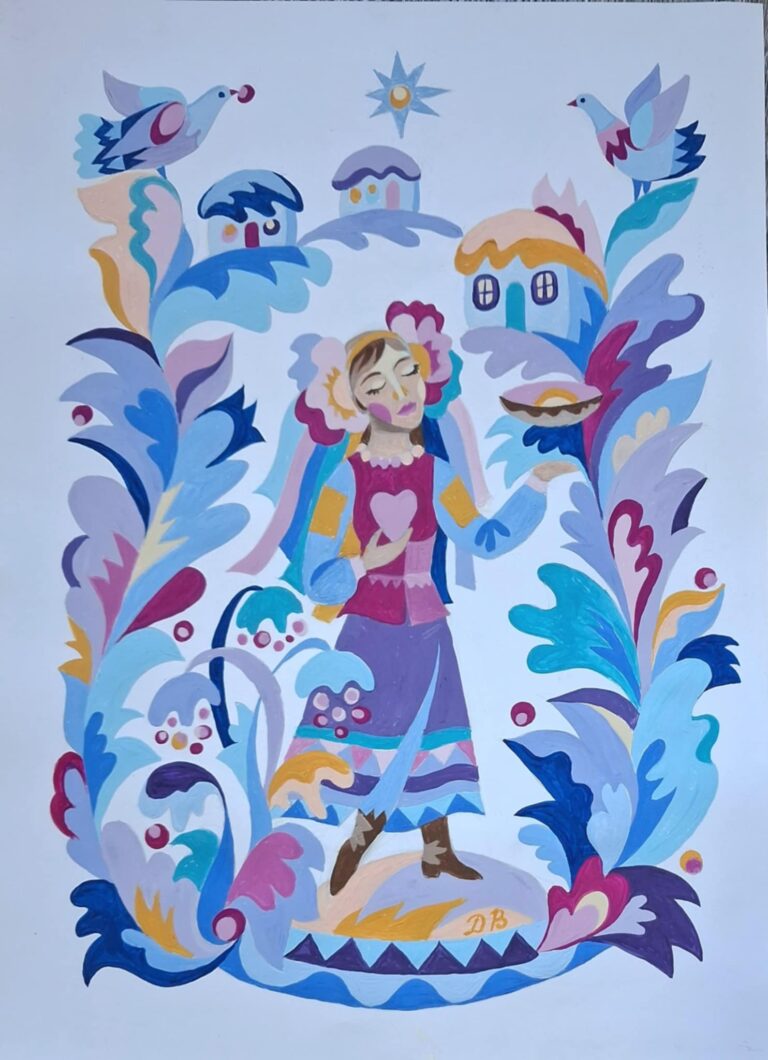
Art is seeing symbols.
Fairy tales are about talking about complex things simply.
But today, looking back on my journey, I realize that among all the tools there was one - the most important. The one that was with me from the very beginning. The one that never betrayed or let me down.
This instrument was my body.
It was the one that always responded honestly. It could not be confused by doubts of reason or advice. It responded unerringly to the truth.
When a missing puzzle or a needed fragment of text was found, familiar “ants” would run through the body. It would contract with fear, fill with warmth from love, and feel joy even before the mind had time to explain it.
I learned to listen to it: at Norbekov's courses, in oriental dances, during tai chi classes. And now I know: it was it that most often pointed me in the right direction.
Over the years, I have come to understand that the ability to feel your body is a special, very deep sensitivity. Perhaps this is why so much attention is paid to meditation in many spiritual practices. Not to escape from the world, but to stop for a moment, listen to yourself and hear.
Maybe that's why life gave me so many different instruments. Each of them revealed something different. And some helped me hear the most important thing better.
 English
  Українська
  Русский